

My Parent Can No Longer Live Safely Alone. What Senior Living Options Should I Consider?
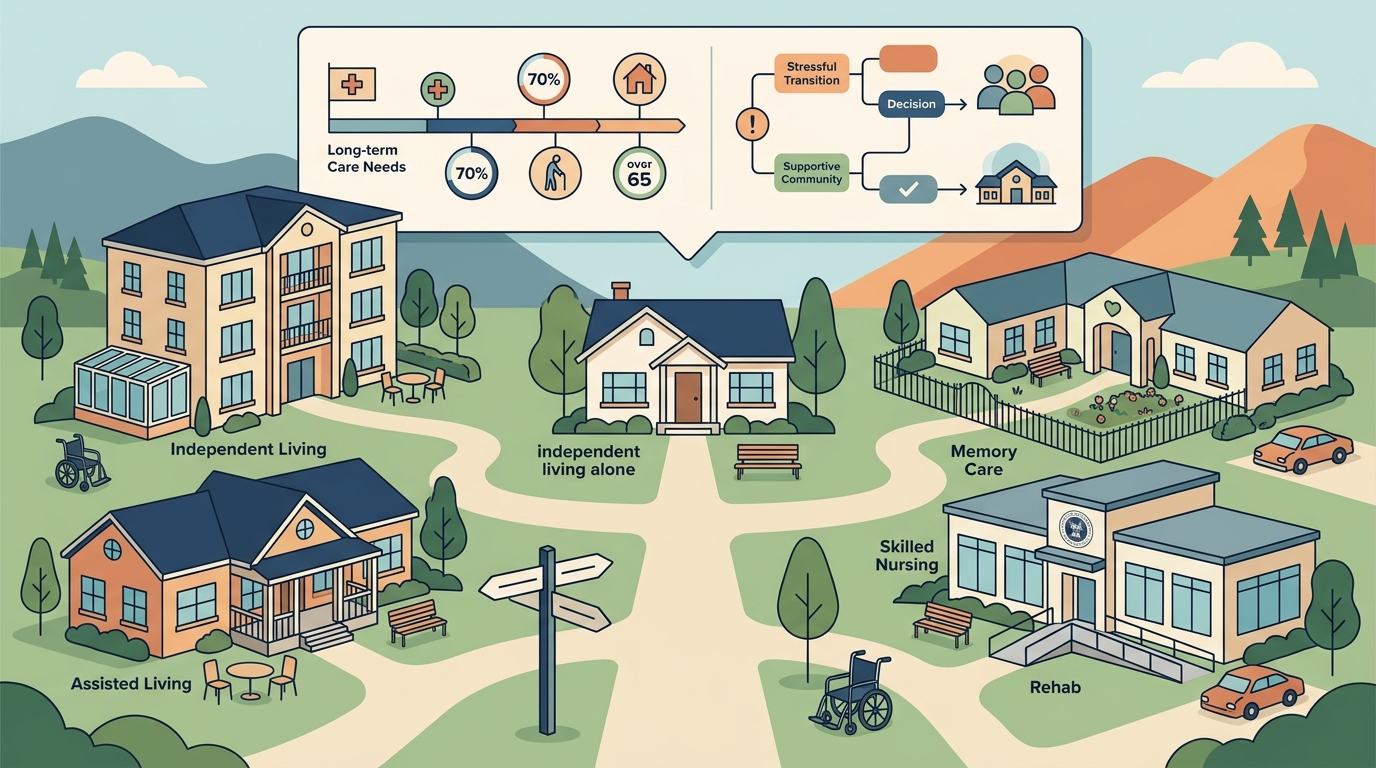
Approximately 70% of adults aged 65 and older will require some form of long-term care assistance in their lifetime, according to the U.S. Department of Health and Human Services. When a parent can no longer live safely alone, the transition from independent home life to a supported environment is one of the most stressful periods a family can face. This shift often involves navigating complex medical needs, financial considerations, and emotional adjustments for both the senior and their family members. The goal is not just to find a bed, but to find a community that matches their specific care requirements while preserving their dignity and independence. (Aging in Place) (Contact Harbor Senior Placement)
Understanding the Signal: When Is It Time?
Recognizing that a parent can no longer live alone is rarely a single event. It is usually a accumulation of small safety concerns that eventually become critical. Common indicators include missed medications, unexplained falls, difficulty with meal preparation, or social isolation that leads to cognitive decline. According to the National Council on Aging, social isolation can increase the risk of premature death by 26%, making community placement a health intervention as much as a safety one. (Blog Harbor Senior Placement)
Many families delay this decision due to guilt or the hope that things will improve. However, proactive planning reduces crisis-driven decisions. If you are noticing these signs, it is time to evaluate the options available in your region. For families in South Denver, Littleton, and Highlands Ranch, local resources are specifically tailored to the demographic needs of the area.
Comparing Care Levels: IL, AL, and Memory Care
Senior living is not a monolith. It is a spectrum of care levels designed to match the individual’s changing abilities. Understanding the distinctions between these levels is crucial for making the right choice.
Independent Living (IL)
Independent living is designed for seniors who can care for themselves but wish to avoid the maintenance of a private home. These communities offer social activities, housekeeping, and meals. It is a lifestyle choice rather than a medical necessity. If your parent is still active and socially engaged, this may be the least disruptive transition.
Assisted Living (AL)
Assisted living provides support with activities of daily living (ADLs) such as bathing, dressing, and medication management. This is the most common choice for parents who can no longer live alone but do not require 24-hour medical nursing care. The environment is residential, aiming to balance privacy with available support. (2026 Senior Living)
Memory Care
Memory care is a specialized form of assisted living for individuals with Alzheimer’s disease, dementia, or other cognitive impairments. These facilities feature secure environments to prevent wandering, structured routines to reduce anxiety, and staff trained in dementia-specific care. If your parent exhibits signs of confusion or memory loss, standard assisted living may not be sufficient.
Skilled Nursing
Skilled nursing facilities provide 24-hour medical care for seniors with complex health conditions. This level of care is typically required when a parent’s medical needs exceed what can be managed in an assisted living setting. (Statistics About Seniors)
Financial Considerations and Payment Models
The cost of senior living varies significantly based on location, care level, and amenities. In Colorado, the average cost of assisted living can range widely depending on the specific community and services provided. It is important to understand the payment structures early in the process. (2026 Senior Living)
Many families utilize long-term care insurance, veterans benefits, or reverse mortgages to cover costs. Medicaid may cover skilled nursing care for eligible individuals, but coverage for assisted living is limited and varies by state. A financial review with a specialist can help clarify what resources are available to your family.
Cost Comparison Overview
| Care Level | Typical Services Included | Best For |
|---|---|---|
| Independent Living | Meals, housekeeping, social activities | Active seniors seeking community |
| Assisted Living | ADL support, medication management | Those needing daily assistance |
| Memory Care | Secure environment, dementia care | Cognitive impairment support |
| Skilled Nursing | 24/7 medical care, rehabilitation | Complex medical needs |
The Touring Strategy: What to Look For
Visiting communities is the most critical step in the decision-making process. Online reviews and brochures do not capture the atmosphere of a facility. When touring, pay attention to the following:
- Staff-to-Resident Ratio: Observe how staff interact with residents. Are they patient and engaged?
- Cleanliness and Odor: A clean facility with no strong odors is a sign of good operational management.
- Resident Engagement: Are residents participating in activities? Do they look content?
- Safety Features: Check for handrails, emergency call systems, and secure exits, especially for memory care.
For families in South Denver, visiting local communities in person allows you to assess the proximity to family members and the specific neighborhood dynamics. Local advisors can provide insights into which communities have waitlists and which have immediate availability.
Supporting the Transition
The move itself can be traumatic for seniors. It represents a loss of autonomy and familiarity. To support your parent:
- Involve Them Early: Let them participate in the selection process as much as possible.
- Bring Familiar Items: Furniture, photos, and blankets from home can make a new room feel safer.
- Be Patient: Adjustment takes time. Some seniors adapt quickly, while others may take months to feel comfortable.
- Stay Connected: Regular visits and calls help maintain the bond and reassure them that they are not abandoned.
Harbor Senior Placement offers free guidance to families in South Denver, Littleton, and Highlands Ranch. Our process involves understanding your specific needs, narrowing down the options, and touring together to ensure the right fit. We stay with you after move-in to ensure the transition is smooth.
Key Takeaways
- 70% of adults over 65 will need long-term care assistance at some point.
- Independent Living is for active seniors; Assisted Living is for those needing daily help.
- Memory Care is essential for those with dementia or Alzheimer’s.
- Local knowledge is critical for navigating waitlists and community quality in South Denver.
- Harbor Senior Placement provides free, unbiased guidance for families in the region.
- Touring communities in person is non-negotiable for making an informed decision.
- Emotional support during the transition is as important as the physical move.
Frequently Asked Questions
How do I know if my parent needs assisted living?
If your parent is struggling with daily tasks like bathing, cooking, or managing medications, or if safety concerns like falls have arisen, assisted living may be necessary.
What is the difference between assisted living and memory care?
Assisted living provides general help with daily activities, while memory care offers specialized, secure environments for those with cognitive impairments like dementia.
Is Harbor Senior Placement free for families?
Yes, Harbor Senior Placement is always free for families. The senior living communities pay for our services, so there is no cost or obligation to you.
What areas do you serve in Colorado?
We focus exclusively on South and Southwest Denver, including Littleton, Highlands Ranch, Centennial, Lone Tree, Parker, Castle Rock, Lakewood, and Englewood.
How fast can we move if it is urgent?
We can streamline the process for urgent situations, prioritizing communities with immediate availability to help you move with clarity and calm.
Can I visit communities before deciding?
Absolutely. We encourage touring multiple communities to see which environment feels right for your loved one. We can join you on these tours.
What if my parent is not ready to move?
We can help you approach the conversation gently and explore options that allow them to stay home longer with additional support services.
Next Steps
If you are facing the decision that your parent can no longer live safely alone, you do not have to navigate it alone. Harbor Senior Placement offers a free, no-pressure consultation to help you understand your options in South Denver. We provide local insight, tour communities with you, and support you through the entire process. Contact us today to start the conversation and find a safe harbor for your loved one.