

Approximately 64% of adults aged 50 and older have a parent who is still living, and a significant portion of those parents are navigating the transition from independent living to assisted care. This shift often begins with a specific incident, such as a fall, a missed medication dose, or the inability to manage household chores. For families in the Greater Boston area, finding the right support system is critical for both safety and peace of mind. According to recent demographic data, the number of seniors requiring some form of assistance with daily activities is projected to grow by 50% over the next decade. This guide outlines the specific pathways available to help your loved one maintain dignity while ensuring their safety.
Step 1: Assessing the Level of Care Needed
Before touring facilities, it is essential to understand the specific medical and lifestyle requirements of your parent. Care needs generally fall into three categories: minimal assistance, moderate support, or 24-hour skilled nursing. Activities of Daily Living (ADLs) is the standard clinical term used to evaluate independence. ADLs include bathing, dressing, eating, transferring, toileting, and continence. If your parent struggles with two or more of these tasks, independent living may no longer be safe. (About)
Another critical factor is cognitive health. Cognitive impairment refers to the decline in mental processes such as memory, attention, and problem-solving. If your parent exhibits signs of dementia or Alzheimer's disease, specialized memory care environments become a priority over standard senior housing. Early assessment by a geriatric care manager can provide an objective baseline for these decisions.
Independent Living Communities
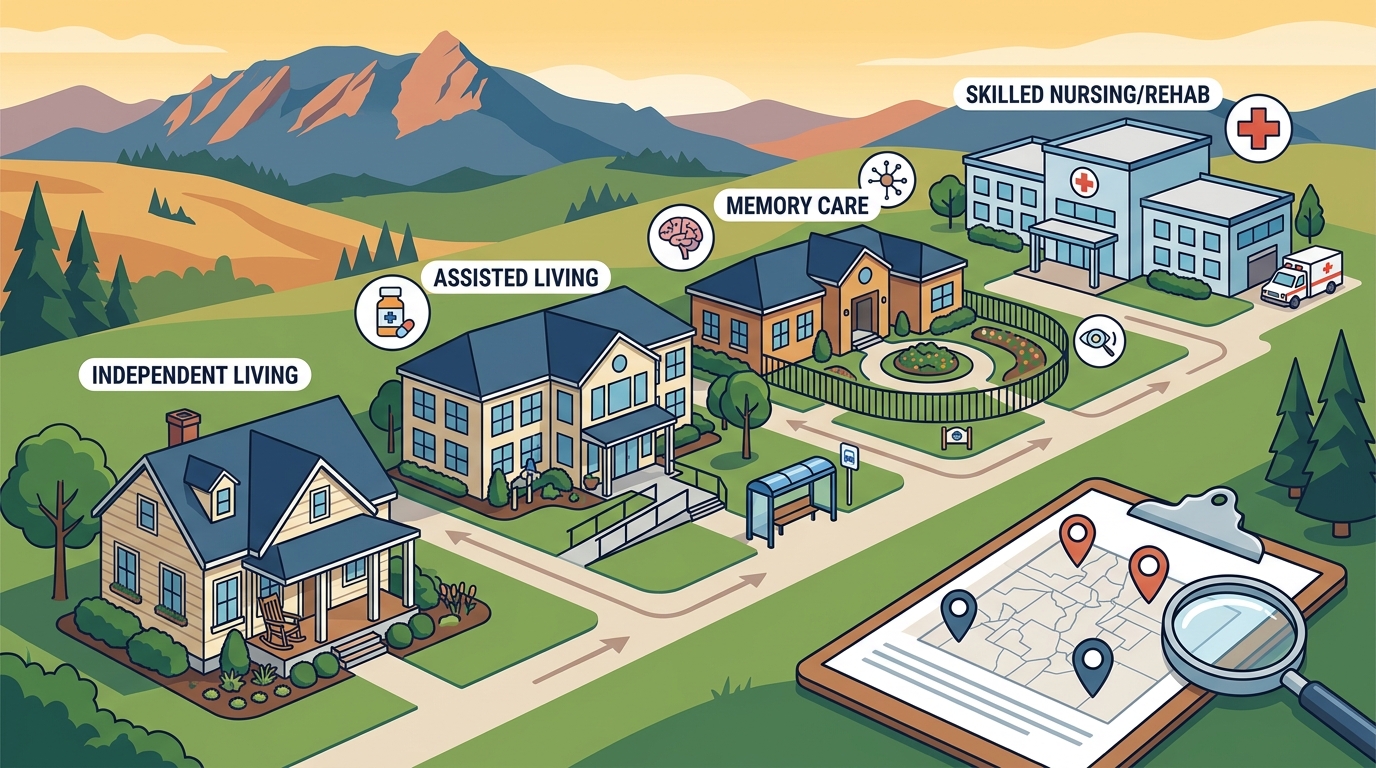
Independent living communities are designed for seniors who are still physically capable but wish to eliminate the burdens of home maintenance. These communities offer apartment-style living with access to social activities, meals, and transportation. They are not equipped to provide medical care or personal assistance with daily tasks. However, they serve as a crucial bridge for seniors who are ready to downsize but are not yet ready for assisted care.
For parents who are socially isolated, independent living can significantly improve mental health. According to a study published in the Journal of Aging and Health, social engagement in senior communities correlates with a 26% reduction in depression rates among older adults. These communities often feature clubhouses, fitness centers, and organized outings. If your parent is active and healthy but tired of yard work or cooking, this is a viable first step. You can explore independent living options in Boston to find communities that match their lifestyle preferences.
Assisted Living Facilities
Assisted living is the most common transition for seniors who can no longer live alone safely. These facilities provide a balance of privacy and support. Residents have their own private apartments or rooms but receive help with medication management, bathing, dressing, and meals. Staff is available 24/7 to respond to emergencies. This model is ideal for parents who need supervision but do not require constant medical attention.
The cost of assisted living varies by location and level of care. In the Boston metropolitan area, the average monthly cost ranges from $5,000 to $8,000 depending on the facility's amenities and the intensity of care required. Financial planning is a critical component of this transition. Many families utilize long-term care insurance or veterans benefits to offset costs. Harbor Placement can help you navigate assisted living placement services to find a facility that aligns with your budget and care needs.
Memory Care and Dementia Support
When cognitive decline progresses to the point where wandering or confusion becomes a safety risk, memory care is necessary. Memory care units are specialized sections within assisted living facilities or standalone campuses designed specifically for individuals with Alzheimer's disease and other dementias. These environments feature secure perimeters to prevent wandering, structured routines to reduce anxiety, and staff trained in dementia-specific communication techniques.
The design of memory care facilities is intentional. According to the Alzheimer's Association, environmental modifications such as clear signage, color-coded doors, and safe outdoor spaces can reduce agitation in dementia patients by up to 30%. These units often provide specialized therapies, such as music or art therapy, to engage residents cognitively. If your parent is showing signs of significant memory loss, it is vital to seek a facility with a dedicated memory care program rather than a general assisted living floor.
Home Care and Aging in Place
Some parents strongly prefer to remain in their own homes. Home care services can make this possible by bringing professional assistance directly to the residence. This can range from a few hours of personal care per day to live-in caregivers. Home care allows seniors to stay in a familiar environment, which can be comforting for those with early-stage dementia.
However, home care has limitations. It is not a substitute for 24-hour medical supervision unless a live-in nurse is hired, which is significantly more expensive. Additionally, home safety modifications, such as grab bars, ramps, and stairlifts, may be required. For families in the Boston area, coordinating reliable home care can be challenging due to high demand. Harbor Placement offers resources to help families evaluate whether home care services are a sustainable long-term solution for their loved one.
Comparing Care Options
Choosing the right path requires comparing the pros and cons of each option. The table below summarizes the key differences between independent living, assisted living, and memory care.
| Feature | Independent Living | Assisted Living | Memory Care |
|---|---|---|---|
| Medical Care | None | Medication Management & ADL Help | 24/7 Specialized Dementia Care |
| Privacy | High (Private Apartment) | Medium (Private Room/Studio) | Medium (Secure Private Room) |
| Social Activities | Extensive | Structured | Therapeutic & Structured |
| Best For | Active, Healthy Seniors | Seniors Needing Daily Assistance | Seniors with Cognitive Decline |
| Cost Range (Monthly) | $3,000 - $5,000 | $5,000 - $8,000 | $6,000 - $10,000+ |
It is important to note that these costs are estimates and can vary based on the specific facility and location. Many communities offer tiered pricing based on the level of care required. A consultation with a placement specialist can provide accurate cost projections for your specific situation.
Key Takeaways
- Assess ADLs Early: Monitor Activities of Daily Living to determine when independent living is no longer safe.
- Independent Living is Not Care: These communities offer social benefits but no medical or personal assistance.
- Assisted Living is Common: It provides a balance of privacy and support for those needing help with daily tasks.
- Memory Care is Specialized: Secure environments are essential for seniors with dementia to prevent wandering and reduce anxiety.
- Home Care is an Option: Aging in place is possible with professional support, but requires significant financial and logistical planning.
- Costs Vary Widely: Monthly costs in Boston can range from $3,000 to over $10,000 depending on the level of care.
- Professional Guidance Helps: Using a placement service can streamline the search and ensure the right fit for your family.
Frequently Asked Questions
How do I know if my parent needs assisted living?
If your parent is struggling with two or more Activities of Daily Living (ADLs), such as bathing or dressing, or if there are safety concerns like wandering or missed medications, assisted living is likely necessary.
What is the difference between assisted living and nursing homes?
Assisted living provides personal care and social activities in a residential setting. Nursing homes provide skilled medical care 24/7 for individuals with complex medical needs. Assisted living is less intensive and more focused on lifestyle.
Can my parent stay in their own home with home care?
Yes, many seniors age in place with the help of home care services. However, this requires a robust support system, home safety modifications, and a sustainable financial plan for ongoing care costs.
How much does assisted living cost in Boston?
The average cost of assisted living in the Boston area ranges from $5,000 to $8,000 per month. Costs can be higher for luxury communities or those requiring intensive memory care.
What is memory care?
Memory care is a specialized type of assisted living designed for individuals with Alzheimer's disease or other forms of dementia. It features secure environments and staff trained in cognitive support.
How long does the placement process take?
The timeline varies depending on availability and specific needs. Typically, the process can take 2 to 6 weeks from initial consultation to move-in. Urgent situations may require a faster timeline.
Does insurance cover assisted living?
Traditional health insurance and Medicare do not cover long-term assisted living costs. However, long-term care insurance, veterans benefits, and some Medicaid waiver programs may provide financial assistance.
Next Steps
Making the decision to transition a parent into senior living is emotionally challenging but often necessary for their safety and well-being. You do not have to navigate this process alone. Harbor Placement specializes in connecting families in the Greater Boston area with the right senior living solutions. Our team provides personalized guidance to help you find a community that meets your loved one's medical, social, and financial needs. Contact us today to schedule a consultation and take the first step toward a safer future for your family.