
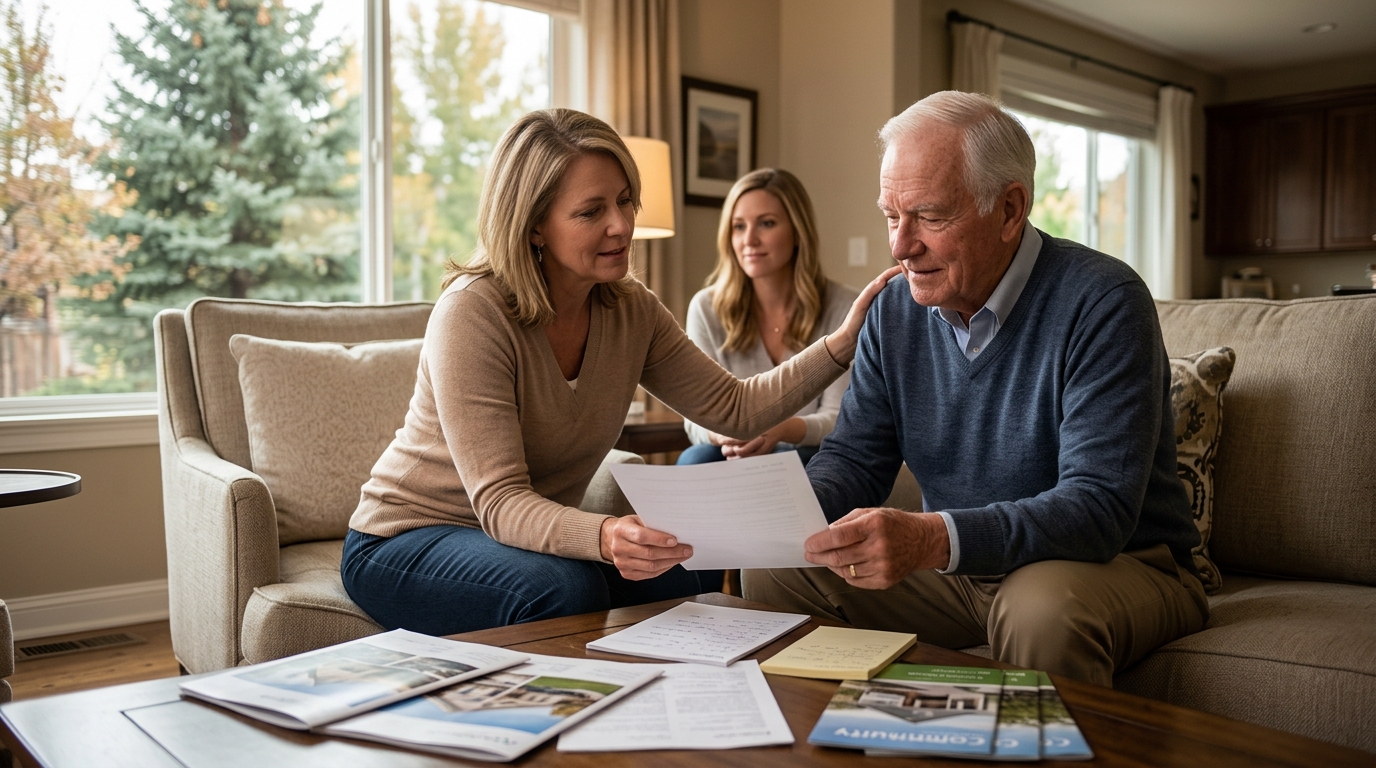
Finding the right care environment requires more than a simple database search. Recent industry data shows that over sixty percent of families experience significant decision fatigue when navigating senior housing options without direct local guidance. This stress often leads to rushed placements that miss critical care needs. A personal senior placement service in Denver solves this problem by providing hands-on community tours and direct facility relationships. Families gain access to verified care levels, transparent pricing, and personalized matching without the friction of national call centers. This approach prioritizes long-term stability over quick transactions. (Top Senior Placement) (Contact Harbor Senior Placement)
The National Platform Model Explained
National senior placement websites operate as massive digital marketplaces. They aggregate thousands of facility listings into a single searchable interface. This model relies heavily on automated matching algorithms and centralized call centers. Families submit basic intake forms and receive a list of potential communities. The process is fast, but it lacks granular local context. Database aggregation is a method of collecting facility data without verifying current operational standards. Users often encounter outdated availability or generic marketing materials. The platform generates revenue through facility advertising fees rather than direct family placement charges. This creates a structural incentive to prioritize paid listings over actual care quality. Families must independently verify every claim before scheduling a visit. (Digital Dominance and)
How Localized Advisory Services Operate
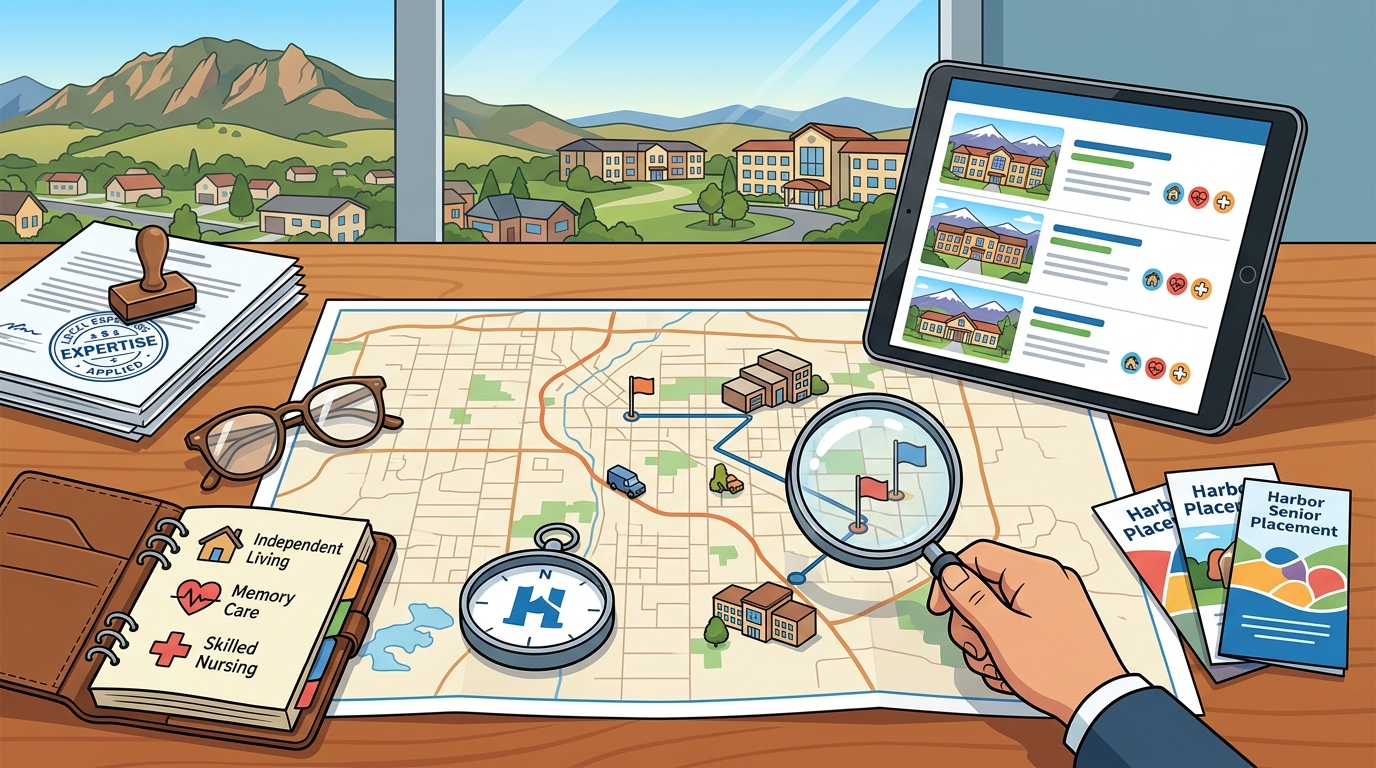
Local advisory services focus exclusively on a specific geographic region. A dedicated advisor manages the entire intake process from initial consultation to final placement. This model requires the advisor to physically tour every community they recommend. They build direct relationships with facility directors and clinical staff. Localized advisory service is a placement strategy that prioritizes regional expertise and direct facility relationships over broad database searches. The advisor handles all communication, schedules tours, and reviews contracts. Families receive a curated list of options that match specific medical and lifestyle requirements. This hands-on approach eliminates guesswork and reduces administrative burden. The advisor acts as a single point of contact throughout the entire transition.
Direct Community Access Versus Database Listings
Database listings rarely reflect real-time occupancy or care capacity. National platforms update their databases on a monthly or quarterly basis. Local advisors maintain active, daily communication with facility management teams. They know exactly which wings have open beds and which programs are currently accepting new residents. This direct access prevents families from touring fully booked communities. It also reveals unadvertised amenities or specialized care programs. Real-time occupancy verification is the practice of confirming current bed availability through direct facility management contact. Families gain access to behind-the-scenes operational details that never appear online. The advisor also negotiates placement terms and clarifies contract language. This level of access is impossible to replicate through a static website.
Pricing Structures and Hidden Costs
Senior living costs vary significantly across different care levels. Independent living typically ranges from two thousand to four thousand dollars monthly. Assisted living programs usually cost between three thousand and six thousand dollars. Memory care facilities often exceed seven thousand dollars per month. These figures depend heavily on location, facility age, and included services. Assisted living pricing is a monthly fee structure that covers housing, meals, and personal care assistance based on individual need assessments. National platforms rarely display accurate pricing because rates fluctuate constantly. Local advisors provide transparent cost breakdowns before families commit to any facility. They also identify hidden fees for medication management or specialized therapies. This financial clarity prevents unexpected budget overruns during the transition. (Top Senior Placement)
The Human Element in Care Decisions
Senior placement involves complex emotional and medical considerations. Algorithms cannot assess personality compatibility or cultural preferences. A dedicated advisor evaluates family dynamics, dietary restrictions, and social preferences. They match residents to communities that align with their lifelong values. Personality compatibility matching is a placement methodology that aligns resident lifestyle preferences with community culture and staff interaction styles. Advisors also assist with move-in logistics, furniture coordination, and initial adjustment support. They remain available after placement to address any emerging concerns. This ongoing support creates a safety net that national platforms simply cannot provide. Families report higher satisfaction rates when working with a single dedicated professional.
Platform Comparison Overview
| Feature Category | National Database Platform | Local Personal Advisor Model |
|---|---|---|
| Facility Verification | Automated database scraping | Physical tours and direct staff interviews |
| Pricing Transparency | Estimated ranges, often outdated | Real-time quotes and contract review |
| Support Structure | Rotating call center representatives | Single dedicated advisor throughout process |
| Post-Placement Service | Limited or unavailable | Ongoing advocacy and adjustment support |
| Cost to Family | Free for families, paid by facilities | Free for families, funded by facility referral fees |
Key Takeaways
- Local advisors physically tour every recommended community before making recommendations.
- National platforms generate revenue through facility advertising fees rather than family placement charges.
- Assisted living costs in South Denver typically range between three thousand and six thousand dollars monthly.
- Memory care facilities often require specialized licensing and secure environmental design.
- Single-advisor models eliminate call center rotation and ensure consistent communication.
- Direct facility relationships provide real-time occupancy data that static databases cannot match.
- Post-placement advocacy remains available to address emerging care needs or contract disputes.
Frequently Asked Questions
Is using a local senior placement advisor free for families?
Yes, local senior placement advisors charge families nothing for their services. They receive referral fees directly from the senior living communities upon successful placement. This model keeps costs transparent and eliminates hidden charges for families.
How does a local advisor verify facility quality?
Advisors conduct physical tours, review state inspection reports, and interview clinical directors. They assess cleanliness, staff-to-resident ratios, and emergency response protocols. This hands-on verification replaces reliance on online marketing materials.
Can a local advisor help with memory care placement?
Absolutely. Specialized memory care placement requires facilities with secure environments and trained dementia care staff. Local advisors maintain updated lists of licensed memory care units and coordinate specialized intake assessments.
What happens if a placement does not work out?
Local advisors provide ongoing advocacy after placement. They attend care plan meetings, review billing statements, and facilitate communication between families and facility management. This support continues throughout the resident tenure.
How quickly can a local advisor complete a placement?
Most placements complete within two to four weeks depending on care level requirements. Memory care and skilled nursing often require longer wait times due to specialized licensing. Advisors proactively monitor availability to minimize delays.
Do local advisors handle contract negotiations?
Yes, advisors review all admission agreements before families sign. They identify restrictive clauses, clarify payment schedules, and negotiate move-in incentives. This legal review protects families from unfavorable terms.
Can a local advisor assist with relocation logistics?
Advisors coordinate move-in timelines, furniture placement, and initial supply procurement. They ensure all medical records transfer correctly and that personal belongings arrive safely. This logistical support reduces transition stress significantly.
Begin Your Personalized Senior Living Search
Families in South Denver, Littleton, and Highlands Ranch deserve a placement process that prioritizes care quality over database volume. A dedicated local advisor provides hands-on community tours, transparent pricing, and ongoing advocacy throughout the entire transition. Visit the Harbor Senior Placement homepage to start your consultation. Schedule a free intake session today and experience the difference that personalized guidance provides. Contact the advisory team directly at (303) 718-3011 to begin your search.