
Choosing a senior living community for a loved one with changing care needs requires verifying that the facility supports a continuum of care, from independent living to skilled nursing. Families in South Denver often face this decision during a crisis, such as a fall or hospital discharge. This guide explains how to evaluate local communities in Littleton, Highlands Ranch, and surrounding areas. It covers the specific questions to ask, the red flags to avoid, and how to navigate the transition with confidence.
Understanding the Continuum of Care
Independent Living and Assisted Living
Independent Living is designed for active seniors who want a maintenance-free lifestyle but do not require daily personal care. Assisted Living is a residential setting that provides help with activities of daily living, such as bathing, dressing, and medication management. When choosing a community, verify if they offer both. A community that offers both allows for a seamless transition within the same campus, which reduces the stress of a second move.
Memory Care and Skilled Nursing
Memory Care is a specialized unit within a senior living community designed for residents with Alzheimer's disease or other forms of dementia. It features secure environments and staff trained in behavioral management. Skilled Nursing is a medical facility that provides 24-hour nursing care and rehabilitation services. It is important to distinguish between these two. Memory Care is not a medical facility, and Skilled Nursing is not a long-term residential home for most families. Knowing the difference helps you choose the right starting point.
Assessing Current and Future Needs
Before touring any community, you must accurately assess your loved one's current physical and cognitive status. This assessment determines the baseline level of care required. It also helps predict how quickly their needs might change. A fall, a new diagnosis, or a hospital discharge can shift a resident from independent to needing daily assistance almost overnight.
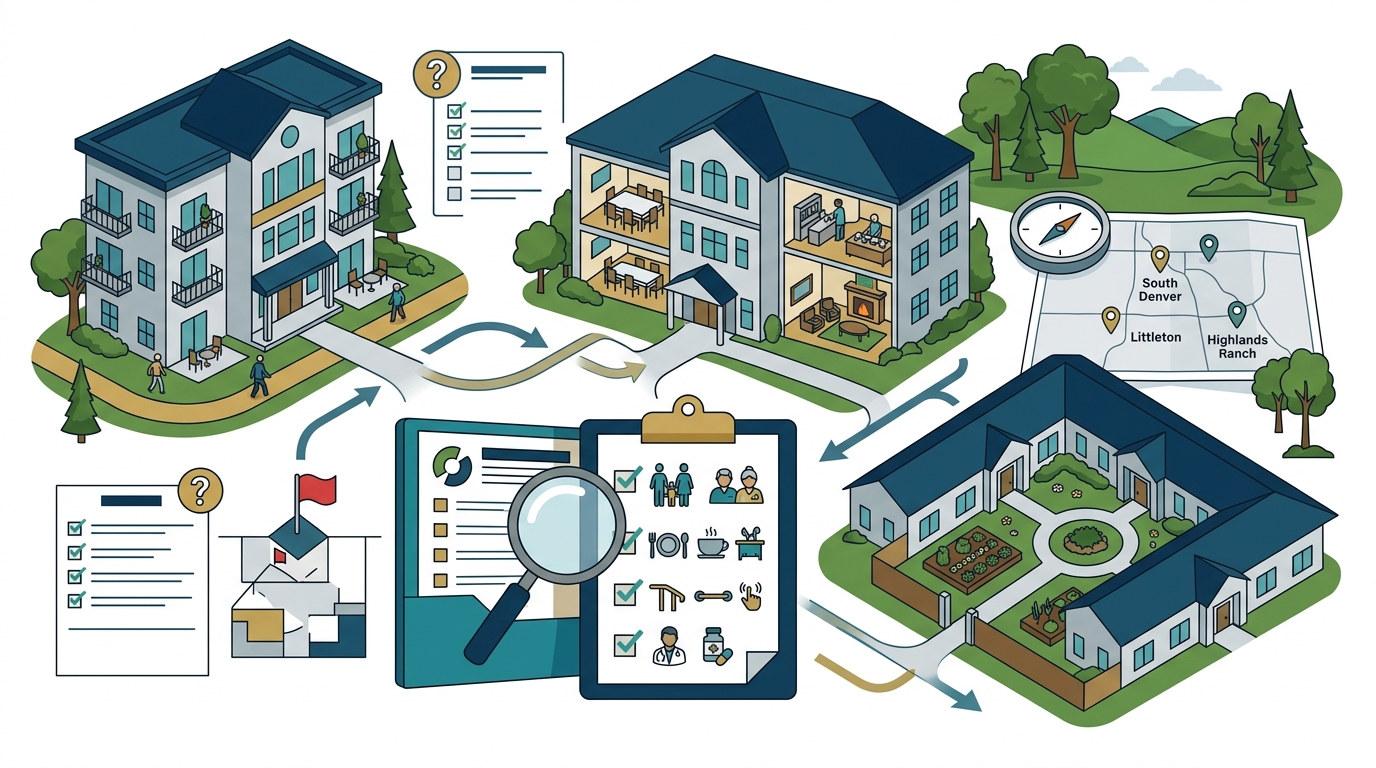
Physical and Cognitive Baseline
Document your loved one's current abilities. Can they walk without assistance? Do they manage their own medications? Are there signs of memory loss or confusion? This baseline is your starting point. It helps you filter out communities that do not offer the necessary level of support. For example, if your parent requires 24-hour nursing care, a standard Assisted Living community may not be the right fit initially.
Anticipating Future Changes
Care needs are rarely static. They often progress. When evaluating a community, ask how they handle transitions. Do they have a protocol for when a resident's condition declines? Can they provide short-term respite care? Can they coordinate with external home health agencies? A community that plans for the future saves your family from the panic of finding a new home during a medical crisis.
Evaluating Staffing and Training
Staffing ratios and training are the most important factors in determining the quality of care. A beautiful building means nothing if the staff are overworked or untrained. In South Denver, labor shortages can impact care quality, so you must ask specific questions about staffing levels.
Staffing Ratios and Turnover
Ask about the staff-to-resident ratio for each shift. Day shifts are often better staffed than night shifts. Also, ask about staff turnover rates. High turnover can lead to inconsistent care and a lack of familiarity with residents' specific needs. A stable, experienced team is a strong indicator of a well-run facility.
Training and Certification
Verify the training of the care staff. Do they have certifications in dementia care? Do they receive ongoing education? For Memory Care residents, specialized training is non-negotiable. Ask how often staff receive training on behavioral de-escalation and safety protocols. This ensures that your loved one is in the hands of professionals who know how to handle difficult situations with compassion.
Financial Considerations and Payment Options
Understanding the financial structure of a senior living community is essential to avoid unexpected costs. Pricing in Colorado varies by community, care level, and apartment type. It is important to understand what is included in the base rate and what is charged as an additional fee.
Base Rates and Care Fees
Most communities charge a base rent for the apartment and a separate care fee based on the level of assistance needed. Ask for a detailed breakdown of these costs. Clarify what services are included in the care fee. Does it cover medication management? Does it cover transportation? Are there limits on the number of hours of care provided? Transparency in pricing is a key indicator of a trustworthy community.
Payment Sources
Explore your payment options. Long-term care insurance, veterans benefits, and personal savings are common sources. Some communities accept Medicaid waivers for specific care levels. It is crucial to verify which payment sources a community accepts before signing a contract. A local advisor can help you navigate these options and ensure that the community aligns with your financial resources.
Touring the Community: What to Look For
A tour is your opportunity to see the community in action. Do not rely solely on the marketing materials. Observe the environment, the staff, and the residents. Your senses are your best tools during a tour.
Environment and Atmosphere
Look for cleanliness, safety, and a welcoming atmosphere. Are the hallways clutter-free? Is the lighting adequate? Do the residents appear happy and engaged? Notice the smell of the facility. A strong odor of urine or disinfectant can indicate staffing or hygiene issues. A pleasant, home-like environment is a sign of a well-managed community.
Staff Interaction
Observe how staff interact with residents. Do they use residents' names? Do they make eye contact? Do they seem rushed or attentive? The way staff treat residents is a direct reflection of the community's culture. If the staff seem stressed or indifferent, it is a red flag. You want a team that is compassionate and present.
Legal and Administrative Steps
Before moving in, you must complete several legal and administrative steps. These steps protect your loved one's rights and ensure a smooth transition. Do not rush this process. Take the time to review all documents carefully.
Admission Agreement
Read the admission agreement thoroughly. Understand the terms regarding termination, refunds, and liability. Ask for a copy of the community's policies and procedures. Ensure that you understand the rules regarding visitors, pets, and personal property. If any clause is unclear, ask for clarification in writing.
Power of Attorney and Healthcare Directives
Ensure that your loved one has a valid Power of Attorney and Healthcare Directive. These documents allow you to make decisions on their behalf if they become incapacitated. Provide copies of these documents to the community. This ensures that you are legally authorized to manage their care and finances.
Key Takeaways
- Verify that the community offers a continuum of care to avoid multiple moves.
- Assess your loved one's current physical and cognitive baseline before touring.
- Ask specific questions about staffing ratios, turnover, and training.
- Request a detailed breakdown of base rates and care fees.
- Observe staff interactions and the overall atmosphere during your tour.
- Review the admission agreement and ensure legal documents are in place.
- Work with a local advisor who knows the South Denver market.
Frequently Asked Questions
What is the difference between Assisted Living and Memory Care?
Assisted Living provides help with daily activities for residents who are mostly independent. Memory Care is a secure unit specifically designed for residents with dementia, offering specialized staff training and safety features.
How do I know if my parent needs Skilled Nursing?
Skilled Nursing is required if your parent needs 24-hour medical care, rehabilitation, or complex wound care. If they only need help with daily tasks, Assisted Living may be sufficient.
Can I move my parent from Assisted Living to Memory Care in the same community?
What questions should I ask about staffing?
Ask about the staff-to-resident ratio for each shift, the average staff turnover rate, and the specific training staff receive for dementia care.
How much does senior living cost in South Denver?
Costs vary by community and care level. It is important to get a detailed quote that includes base rent and care fees. A local advisor can help you understand the typical ranges in the area.
Is it too late to start planning if my parent just had a fall?
No. A fall is a common trigger for seeking care. Start by assessing their current needs and contacting a local advisor. They can help you find the right community quickly.
Conclusion
Choosing a senior living community for a loved one with changing care needs is a significant decision. It requires careful evaluation of the continuum of care, staffing quality, and financial structure. By understanding the specific needs of your family and asking the right questions, you can find a community that provides safety, dignity, and peace of mind. Harbor Senior Placement offers free, local guidance to families in South Denver. We help you navigate this process with clarity and compassion, ensuring that your loved one finds a safe harbor.