
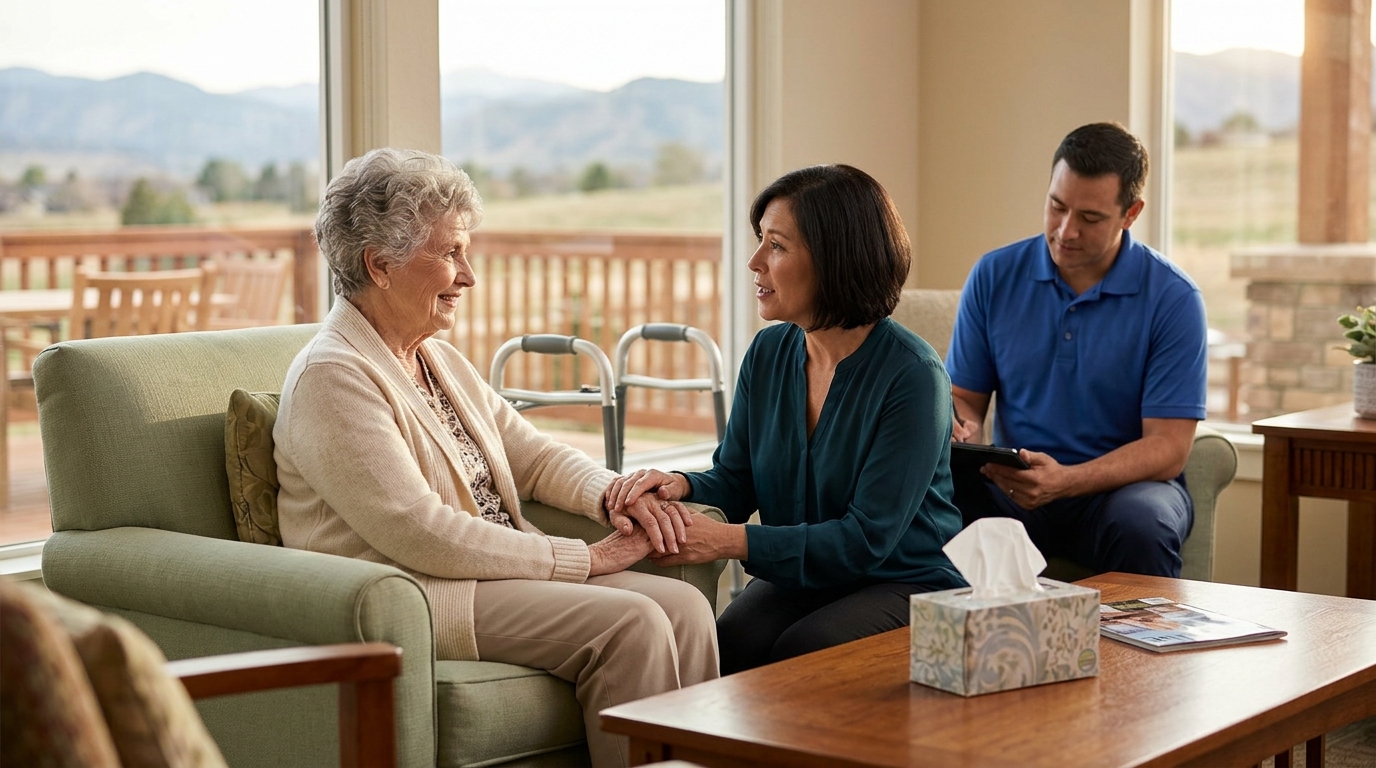
Assisted living supports recovery in Denver by providing structured daily care, medication management, and physical therapy coordination immediately after hospital discharge. This environment prevents the isolation and safety risks often associated with returning home too early. For families in South Denver, this transition offers a safe bridge between acute care and long-term independence.
The Immediate Safety Gap After Discharge
Hospital discharge often leaves patients vulnerable to falls and medication errors. Assisted living is a residential care setting that provides assistance with daily activities while maintaining resident autonomy. In the first few weeks post-hospitalization, the risk of readmission is highest. Assisted living communities in the Denver metro area address this by offering 24-hour staff presence. This ensures that if a resident experiences dizziness or confusion, help is available instantly. The structured routine of a care community reduces the cognitive load on recovering patients.
Coordinating Physical Therapy and Medical Care
Recovery requires consistent physical therapy and medical monitoring. Assisted living facilities in Colorado often have on-site wellness coordinators who track progress. These coordinators communicate directly with primary care physicians and specialists. For example, a resident recovering from a hip replacement in Highlands Ranch can have their therapy sessions scheduled and monitored without family intervention. The staff ensures that exercise regimens are followed and that pain management is effective. This coordination prevents the common issue of therapy appointments being missed due to transportation or fatigue.
Medication Management and Health Monitoring
Emotional Support and Social Reintegration
Recovery is not just physical; it is deeply emotional. Isolation can hinder healing and lead to depression. Assisted living communities offer structured social activities and peer support. Residents engage in group exercises, meals, and recreational programs. This social interaction combats the loneliness often felt after a hospital stay. For families, knowing their loved one is engaged and supported provides peace of mind. The community environment fosters a sense of purpose and normalcy, which is essential for long-term mental health during recovery.
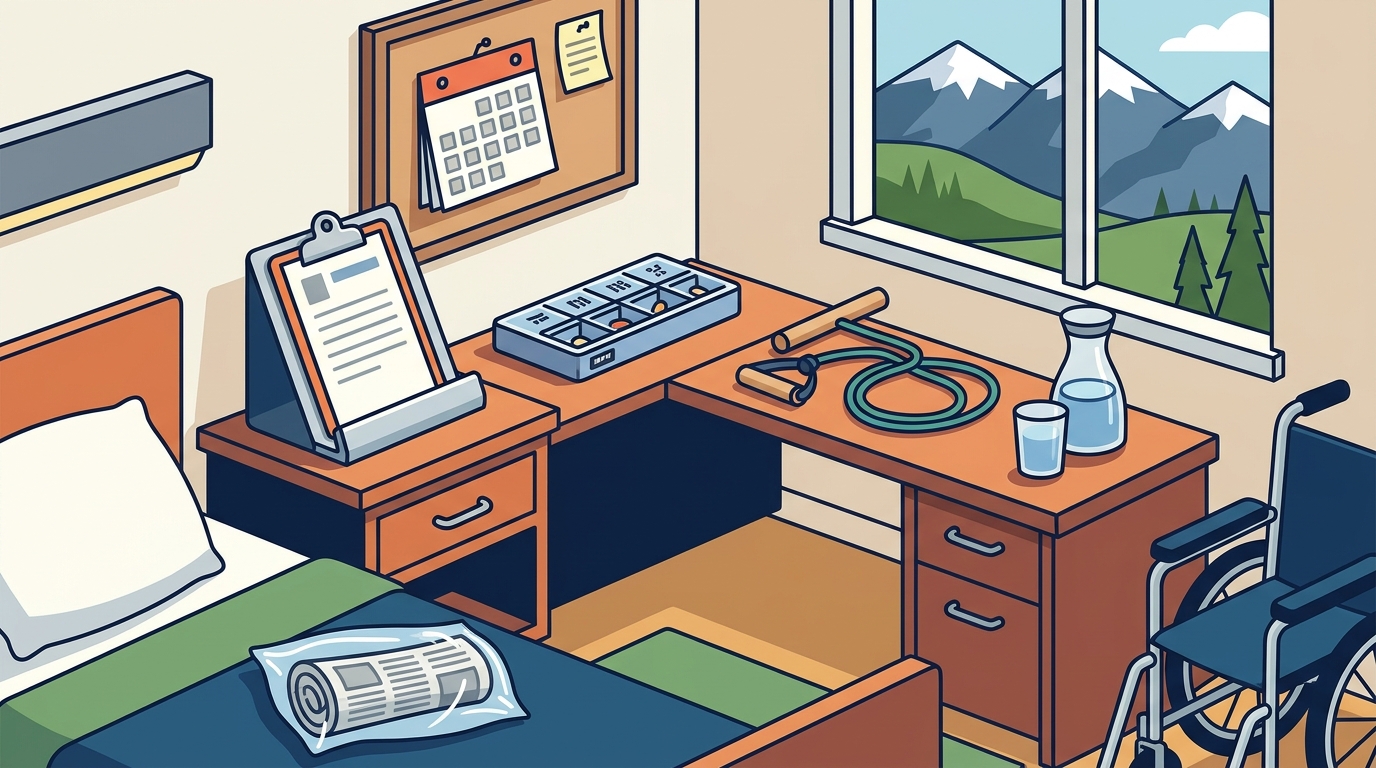
How Harbor Senior Placement Guides This Transition
Key Takeaways
- Assisted living provides 24-hour safety monitoring, reducing fall risks post-discharge.
- On-site coordinators manage communication between residents, therapists, and doctors.
- Professional medication management prevents errors and interactions.
- Harbor Senior Placement offers free, local guidance for South Denver families.
- Personalized tours help families verify a community's specific recovery capabilities.
Frequently Asked Questions
How long does a patient typically stay in assisted living after hospital discharge?
Stays vary based on individual recovery needs, but many residents transition to assisted living for a few weeks to a few months. This period allows for stabilization and therapy completion before moving to independent living or returning home.
Does assisted living cover physical therapy costs?
Assisted living communities often coordinate with external physical therapists or have on-site wellness programs. Costs for specialized therapy are typically covered by insurance or paid directly, while the community facilitates scheduling and monitoring.
Can family members visit freely during recovery?
What is the difference between assisted living and skilled nursing for recovery?
Skilled nursing provides 24-hour medical care for acute conditions, while assisted living offers support with daily activities and coordination of care. Assisted living is suitable for patients who are stable but need assistance and monitoring.
Is Harbor Senior Placement really free for families?
Yes, Harbor Senior Placement is completely free for families. We are compensated by the senior living communities when a placement occurs, similar to a real estate referral model. Families never pay a fee for our guidance.
Start Your Recovery Journey with Confidence
Choosing the right care after hospital discharge is a critical decision. Contact Harbor Senior Placement to speak with Curtis about your family's specific needs. We are here to guide you with compassion and local expertise, ensuring your loved one finds a safe harbor for recovery.