

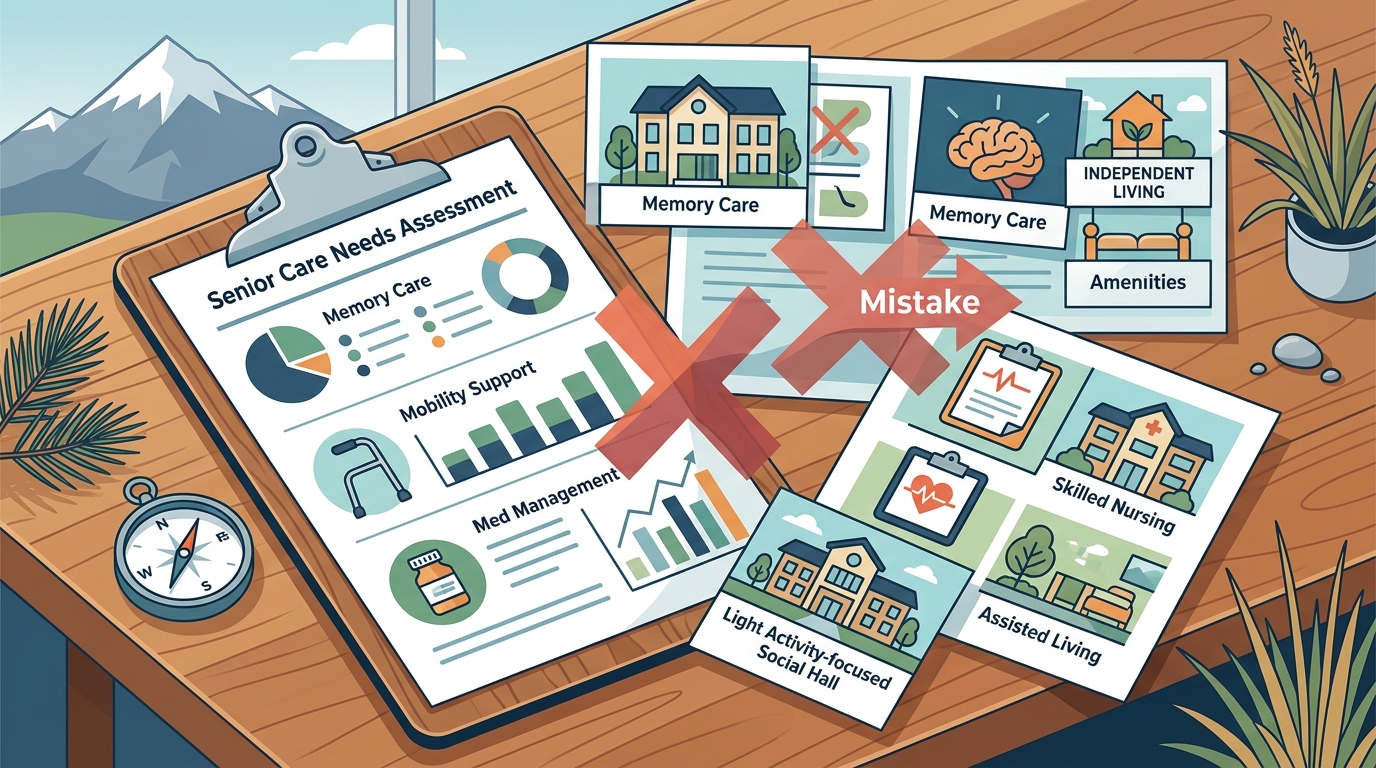
Assessing the care needs of an aging loved one is one of the most emotionally charged challenges a family will face. According to the U.S. Department of Health and Human Services, nearly 40% of adults will care for an older parent at some point in their lives. This statistic highlights the widespread nature of the issue, yet many families stumble because they approach the assessment with incomplete information or emotional bias. The process requires a clear-eyed view of medical, social, and safety factors. When families rush this phase, they often select inappropriate living arrangements that lead to higher costs and increased stress later on. (About Curtis Harbor Senior)
Ignoring Subtle Safety Risks
One of the most critical errors families make is overlooking the gradual decline in physical safety. It is easy to dismiss a few falls or minor forgetfulness as normal aging. However, these are often early warning signs of deeper issues. A home that was once safe can become hazardous without obvious changes to the structure. For example, cluttered walkways, poor lighting, or the absence of grab bars can lead to serious injury. (Harbor Senior Placement Senior)
Harbor Senior Placement emphasizes the importance of a proactive safety audit. Many families wait until a crisis occurs before they consider assisted living or memory care. By then, the window for a smooth transition may have closed. A professional assessment looks beyond the obvious. It examines the ability to manage medications, cook safely, and maintain personal hygiene. Ignoring these subtle cues often results in emergency room visits that could have been prevented with proper support.
Focusing Only on Medical Needs
Medical needs are undeniably important, but they are not the only factor in care placement. Families often fixate on the clinical diagnosis, such as dementia or arthritis, while ignoring the social and emotional components of aging. Social isolation is a significant health risk for seniors. A facility might offer excellent medical care but lack engaging activities or a supportive community. Conversely, a community with robust social programming might be better suited for someone who is physically healthy but lonely.
True care assessment requires a holistic view. This includes evaluating the senior's personality, hobbies, and social preferences. A person who loves music and art may thrive in a community with regular cultural events. Someone who prefers quiet may find a large, bustling facility overwhelming. At Harbor, we help families look at the whole person. We consider how their daily routines and personal interests fit into the available options in South Denver and surrounding areas.
Underestimating Long-Term Costs
Financial planning is often the most stressful part of the senior care journey. Many families assume that one type of care will last forever. They might choose independent living because it is affordable today, only to find that their loved one needs assisted living services within a year. This mismatch leads to unexpected costs and the need to move again, which is disruptive and expensive.
It is crucial to understand the continuum of care. Senior living communities often offer different levels of support. Understanding the cost trajectory for each level helps families make a sustainable choice. Additionally, families should explore all payment options, including long-term care insurance, veterans benefits, and Medicaid waivers. Without a clear financial roadmap, families may exhaust their resources prematurely. Our team provides transparent guidance on costs, ensuring that families understand what they are paying for and what services are included.
Rushing the Decision-Making Process
The pressure to find a place for a loved one can feel overwhelming. Families often feel they must make a decision immediately after a hospital discharge or a fall. This urgency can lead to poor choices. When you rush, you are more likely to accept the first available option rather than the best fit. This can result in a placement that does not meet the senior's needs, leading to dissatisfaction and potential readmission to the hospital.
Taking time to research and visit multiple communities is essential. It allows families to compare amenities, staff responsiveness, and overall atmosphere. Harbor Senior Placement advocates for a measured approach. We help families slow down the process to ensure they make a confident decision. This includes scheduling tours, asking detailed questions, and involving the senior in the conversation whenever possible. A well-informed decision is a better decision, regardless of the timeline.
Isolating the Senior from the Process
It is common for adult children to take charge of the search without fully involving their aging parent. This can feel like a loss of autonomy for the senior. When they are excluded from the decision, they may resist the move or feel resentful. This resistance can make the transition difficult and stressful for everyone involved.
Involving the senior in the assessment process respects their dignity and autonomy. It allows them to express their preferences and concerns. Even if their cognitive abilities are declining, they can still have input on their living environment. For example, they might prefer a room with a view or a specific dietary option. At Harbor, we encourage families to include their loved ones in tours and discussions. This collaborative approach fosters buy-in and reduces anxiety about the upcoming change.
Choosing Facilities Solely by Price
Cost is a significant factor, but it should not be the only one. Choosing a facility based solely on the lowest price can lead to compromises in quality of care. Lower-cost facilities may have higher staff turnover, less engaging activities, or older infrastructure. These factors can significantly impact the well-being of the senior.
Instead, families should look at the value proposition. What services are included in the base price? Are there hidden fees for additional care? How does the staff-to-resident ratio compare? A slightly higher monthly cost might be justified by better care, more activities, or a more suitable environment. It is important to weigh the total cost against the quality of life provided. Our team helps families understand the value of each community, ensuring they get the best possible care for their budget.
Comparing Care Options
Understanding the different types of senior living is crucial for making an informed decision. The table below outlines the primary options available to families in the South Denver area.
| Living Option | Best For | Key Features | Typical Cost Factor |
|---|---|---|---|
| Independent Living | Active seniors who need minimal assistance | Social activities, meals, housekeeping | Lower |
| Assisted Living | Those needing help with daily tasks | Personal care, medication management | Moderate |
| Memory Care | Seniors with dementia or Alzheimer's | Secure environment, specialized care | Higher |
| Skilled Nursing | Complex medical needs | 24/7 nursing, rehabilitation | Highest |
Key Takeaways
- Proactive Assessment: Do not wait for a crisis to evaluate care needs. Regular check-ins can identify issues early.
- Holistic View: Consider social, emotional, and physical needs, not just medical diagnoses.
- Financial Planning: Understand the full cost of care and explore all payment options, including insurance and government benefits.
- Senior Involvement: Include the aging loved one in the decision-making process to respect their autonomy.
- Quality Over Price: Prioritize the quality of care and environment over the lowest monthly cost.
- Local Expertise: Work with a local advisor who knows the specific communities in South Denver.
- Continuous Support: Care needs change. Ensure your placement can adapt to future needs.
Frequently Asked Questions
How do I know if my parent needs assisted living?
Signs include frequent falls, forgetting to take medications, neglecting personal hygiene, or showing signs of social isolation. If you notice these changes, it may be time to consider assisted living options.
What is the difference between independent living and assisted living?
Independent living is for active seniors who need minimal help. Assisted living provides support with daily tasks like bathing, dressing, and medication management.
How much does memory care cost in South Denver?
Costs vary by facility and level of care required. Generally, memory care is more expensive than assisted living due to the specialized staff and secure environments. Contact Harbor Senior Placement for specific pricing details.
Can I visit communities before making a decision?
Yes, visiting communities is highly recommended. It allows you to see the environment, meet the staff, and ask questions. Harbor Senior Placement can help schedule these tours.
What if my loved one resists moving?
Resistance is common. Approach the conversation with empathy and involve them in the process. Focus on the benefits, such as safety and social opportunities, rather than the negatives of their current situation.
Does Harbor Senior Placement charge families?
No, Harbor Senior Placement is free for families. The senior living communities pay for our services. We are here to help you find the right fit without any financial obligation.
How quickly can I find a placement?
Timelines vary based on availability and specific needs. In urgent situations, we can streamline the process to find a suitable placement quickly. Our local knowledge helps us identify openings faster.
Start Your Journey with Confidence
Assessing senior care needs is a complex process that requires expertise, empathy, and local knowledge. By avoiding common mistakes and taking a proactive approach, you can ensure your loved one receives the best possible care. Harbor Senior Placement is here to guide you every step of the way. We offer free, no-obligation consultations to help you navigate this journey. Contact us today to schedule a conversation and learn more about our services.