
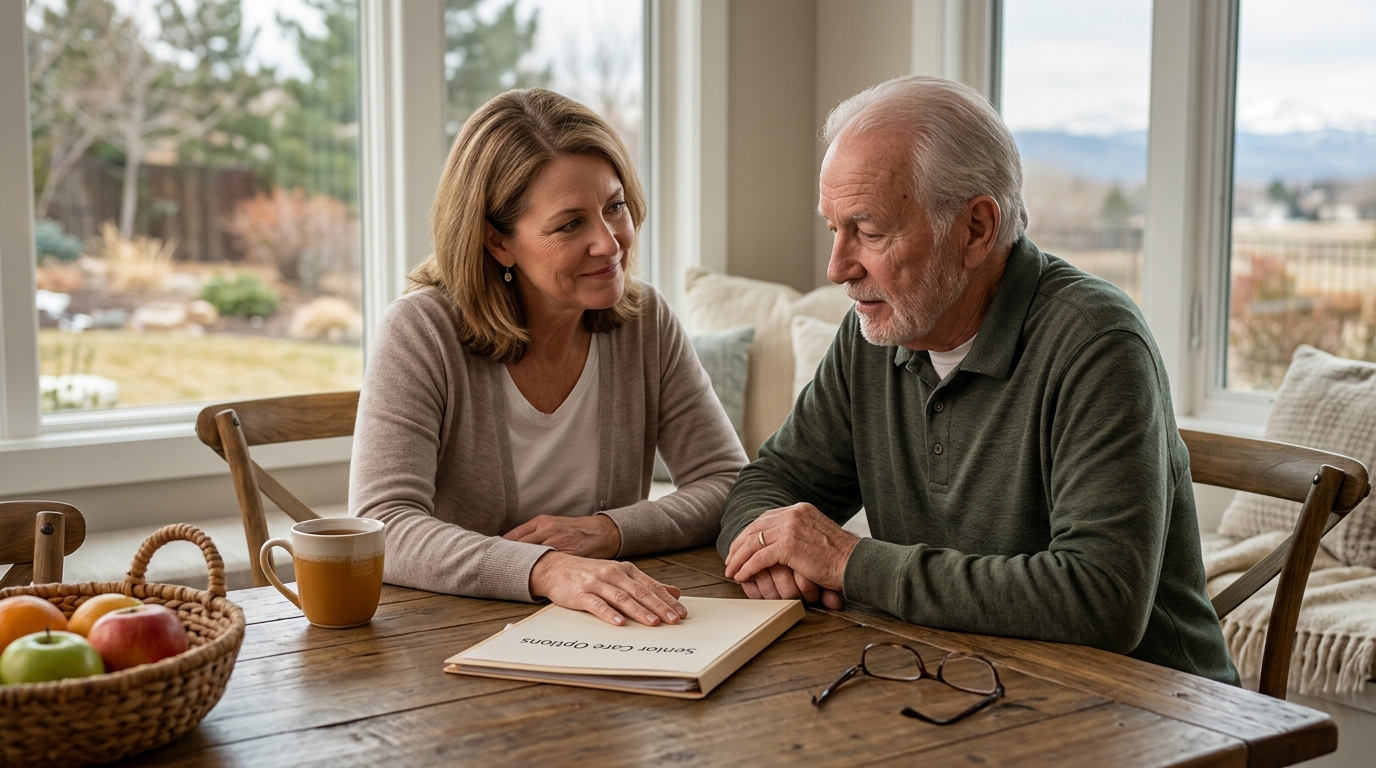
Choosing the right living environment for a loved one is one of the most difficult decisions a family can face. According to the U.S. Census Bureau, the population aged 65 and older is projected to reach nearly 80 million by 2040, significantly increasing the demand for specialized care options in regions like South Denver. This demographic shift means that families in Littleton, Highlands Ranch, and Centennial are often navigating a complex landscape of care levels that can feel overwhelming without expert guidance. Understanding the critical differences between skilled nursing and assisted living is the first step toward securing a safe, supportive, and dignified future for your family member. (About Curtis Harbor Senior)
Understanding Care Intensity and Medical Needs
The primary distinction between these two care models lies in the level of medical supervision and clinical support provided. Skilled nursing facilities are designed for individuals who require 24-hour medical care. This level of care is often necessary for those recovering from surgery, managing complex chronic conditions, or dealing with severe cognitive decline that poses safety risks.
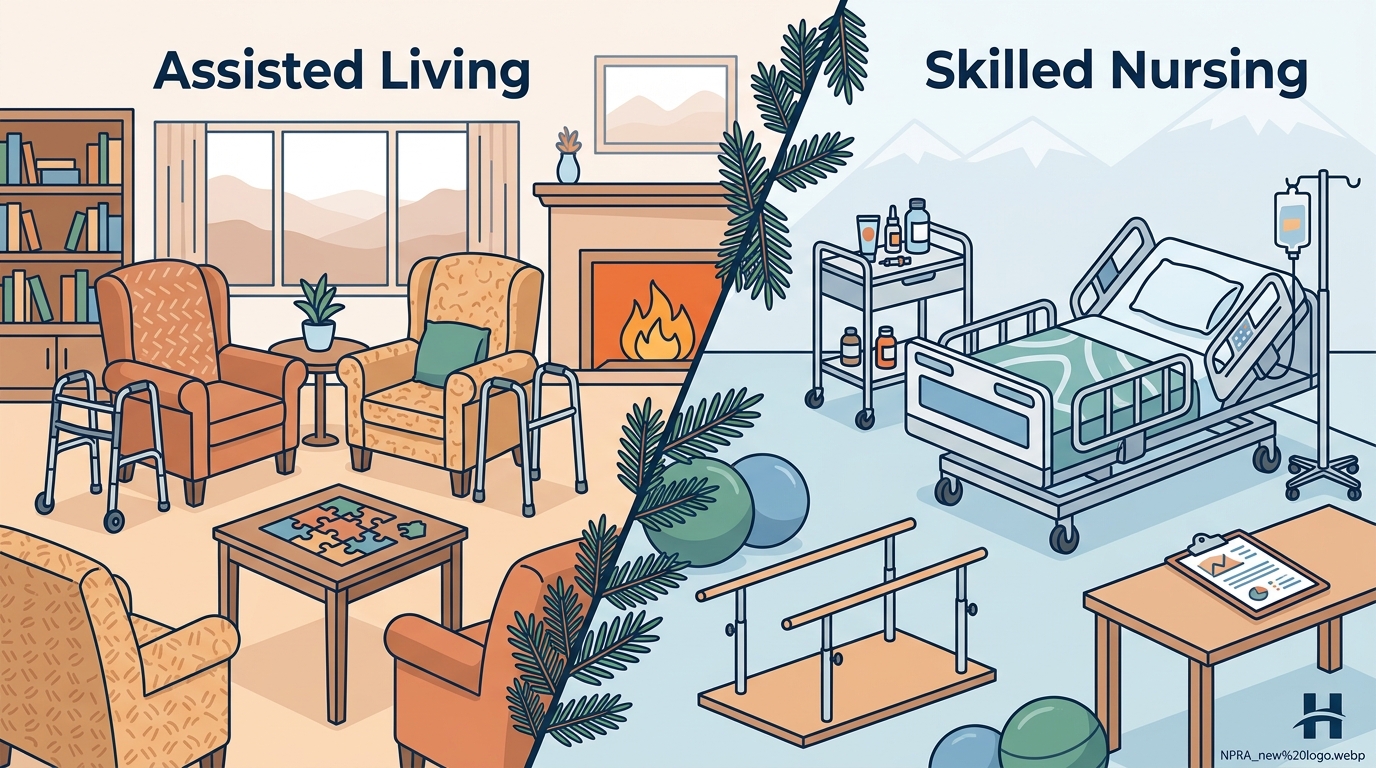
Skilled nursing is defined as professional medical care provided by licensed nurses and therapists on-site around the clock. In a skilled nursing facility, you will find registered nurses, licensed practical nurses, and certified nursing assistants working in shifts to monitor vital signs, administer medications, and manage wound care. The environment is clinical by design, prioritizing health stability over social autonomy.
In contrast, assisted living focuses on supporting daily activities while maintaining a residential atmosphere. Assisted living is defined as a housing option that provides personal care services and limited medical support for seniors who need help with daily tasks. Residents in assisted living communities in South Denver typically have their own private apartments or rooms. Staff is available to help with bathing, dressing, and medication management, but they do not provide the intensive medical interventions found in skilled nursing settings.
For families in Arapahoe County and Douglas County, the transition between these levels often happens as health needs evolve. Many seniors start in independent living, move to assisted living as they need more help, and eventually require skilled nursing if their medical needs become too complex for an assisted living staff to manage.
Daily Living Support and Independence
Independence is a core value for most seniors, and the degree of autonomy varies significantly between these two settings. In assisted living, the goal is to maximize independence while providing a safety net. Residents often participate in community meals, attend social events, and maintain personal schedules. The staff acts as a supportive presence rather than a direct controller of daily activities.
Skilled nursing facilities, by necessity, operate with a more structured routine. Residents often eat meals at designated times, follow strict medication schedules, and may have limited privacy due to the open-ward or semi-private room configurations common in medical facilities. While this structure is essential for medical safety, it can feel restrictive to those who value their daily autonomy.
When evaluating options for a loved one in Parker, Lone Tree, or Castle Rock, consider their current ability to perform activities of daily living (ADLs). ADLs include tasks such as eating, bathing, grooming, and toileting. If a loved one can manage these tasks with minimal assistance, assisted living may be the appropriate next step. If they require constant monitoring or help with every aspect of daily care, skilled nursing becomes the necessary choice.
Cost Comparison and Payment Structures
Financial planning is a critical component of the senior living decision-making process. The cost difference between skilled nursing and assisted living is substantial, and understanding the payment methods is essential for long-term planning.
Skilled nursing care is generally more expensive due to the high level of medical staffing and equipment required. According to data from the Genworth Cost of Care Survey, the national median annual cost for a private room in a skilled nursing facility often exceeds $100,000. However, many families find that Medicare or Medicaid covers a significant portion of skilled nursing costs, particularly for short-term rehabilitative stays. Medicare typically covers skilled nursing care for up to 100 days per benefit period if specific criteria are met, such as a prior three-day hospital stay.
Assisted living costs vary widely based on location, amenities, and the level of care needed. In the South Denver area, assisted living communities may charge between $4,000 and $8,000 per month, depending on the specific community and services provided. Long-term care insurance is a common payment method for assisted living, as it is designed to cover non-medical personal care services. However, standard health insurance and Medicare do not cover the cost of long-term assisted living.
| Feature | Assisted Living | Skilled Nursing |
|---|---|---|
| Medical Care Level | Personal care and medication management | 24/7 licensed nursing and medical therapy |
| Typical Cost (Monthly) | $4,000 - $8,000+ | $8,000 - $12,000+ |
| Primary Payment Source | Private pay, Long-term care insurance | Medicare (short-term), Medicaid (long-term) |
| Environment | Residential, apartment-style | Clinical, hospital-like |
| Staff Availability | Daytime and on-call support | 24-hour licensed staff |
Environment and Community Life
The physical environment plays a huge role in the emotional well-being of seniors. Assisted living communities in South Denver are designed to feel like homes. They often feature landscaped gardens, communal dining rooms, libraries, and activity centers. The focus is on social engagement, mental stimulation, and physical wellness through group exercises, arts and crafts, and outings.
Skilled nursing facilities, while improving in design, still retain a clinical aesthetic. The primary focus is on health outcomes rather than leisure. However, many modern skilled nursing facilities in Colorado are incorporating private rooms and enhanced amenities to improve the resident experience. Despite these improvements, the atmosphere remains more serious and medical in nature.
For families in Englewood, Lakewood, and the surrounding neighborhoods, visiting both types of communities is crucial. Look for signs of life in assisted living communities. Are residents interacting? Is the food appealing? Is the staff engaging with the residents? In skilled nursing facilities, observe the cleanliness, the responsiveness of the nursing staff, and the overall tone of the facility. A well-run skilled nursing facility can be a place of comfort and recovery, but it is fundamentally different from a residential community.
Key Decision Factors for Denver Families
When comparing skilled nursing vs assisted living, several key factors should guide your decision. First, assess the medical needs of your loved one. If they require daily injections, wound care, or physical therapy, skilled nursing is likely necessary. If they need help with bathing, dressing, and meals but are medically stable, assisted living is appropriate.
Second, consider the social needs of your loved one. Some seniors thrive in the social environment of assisted living, while others may find the clinical setting of skilled nursing comforting if they are dealing with serious health issues. The emotional impact of the move is significant, and the right environment can aid in the transition.
Third, evaluate the financial resources available. Understanding the coverage of Medicare, Medicaid, and long-term care insurance is essential. In Colorado, Medicaid waivers may help cover the cost of assisted living for eligible seniors, while Medicare has strict limitations on skilled nursing coverage. Consulting with a financial advisor or a senior placement expert can provide clarity on these complex payment structures.
Finally, consider the location. Proximity to family is a major factor for many Denver families. Being close to loved ones allows for regular visits, which can significantly improve the well-being of seniors in any care setting. Harbor Senior Placement focuses exclusively on South and Southwest Denver, ensuring that we only recommend communities that are accessible and appropriate for your family's geographic needs.
Key Takeaways
- Care Level: Skilled nursing provides 24/7 medical care, while assisted living offers personal care support in a residential setting.
- Cost: Skilled nursing is generally more expensive, but may be covered by Medicare for short-term rehab; assisted living is typically paid via private funds or long-term care insurance.
- Independence: Assisted living maximizes resident autonomy and social engagement, whereas skilled nursing prioritizes medical safety and routine.
- Payment: Medicare does not cover long-term assisted living, making financial planning critical for that option.
- Local Focus: Harbor Senior Placement serves South Denver communities including Littleton, Highlands Ranch, Centennial, Lone Tree, Parker, Castle Rock, Lakewood, and Englewood.
- Transition: Many seniors move from independent living to assisted living, and eventually to skilled nursing as their needs change.
- Expert Guidance: Using a local advisor who tours communities firsthand can simplify the comparison process and reduce family stress.
Frequently Asked Questions
What is the main difference between skilled nursing and assisted living?
The main difference is the level of medical care. Skilled nursing facilities provide 24-hour medical care by licensed nurses, while assisted living provides personal care and support with daily activities in a residential environment.
Does Medicare pay for assisted living in Denver?
No, Medicare does not pay for long-term assisted living. It may cover short-term skilled nursing care if specific criteria are met, such as a prior hospital stay, but it does not cover the cost of assisted living services.
Can a person move from assisted living to skilled nursing?
Yes, many seniors transition from assisted living to skilled nursing when their medical needs become too complex for the assisted living staff to manage. This transition is often facilitated by the assisted living community or a senior placement advisor.
How much does assisted living cost in South Denver?
Assisted living costs in South Denver vary based on location and services, typically ranging from $4,000 to $8,000 per month. Costs can be higher in luxury communities or for those requiring extensive care.
Is skilled nursing only for end-of-life care?
No, skilled nursing is not only for end-of-life care. Many residents are there for short-term rehabilitation after surgery or a hospital stay, with the goal of returning home or to assisted living.
What areas does Harbor Senior Placement serve?
Harbor Senior Placement serves South and Southwest Denver, including Littleton, Highlands Ranch, Centennial, Lone Tree, Parker, Castle Rock, Lakewood, and Englewood.
How can I compare communities in my area?
You can compare communities by visiting them, asking about staff-to-resident ratios, touring the facilities, and reviewing the care plans. Harbor Senior Placement offers free guidance to help families compare local options.
Start Your Free Consultation
Navigating the choice between skilled nursing and assisted living does not have to be a solitary burden. Harbor Senior Placement is dedicated to guiding South Denver families through this process with clarity, compassion, and local expertise. Our services are always free for families, as we are compensated by the communities we recommend.
If you are looking for memory care placement in South Denver or need help comparing skilled nursing vs assisted living, we are here to help. We tour communities personally, so you can trust our recommendations. Contact us today to schedule a conversation about your loved one's needs.
Click here to contact Harbor Senior Placement and start your journey toward a safe and supportive living solution.