
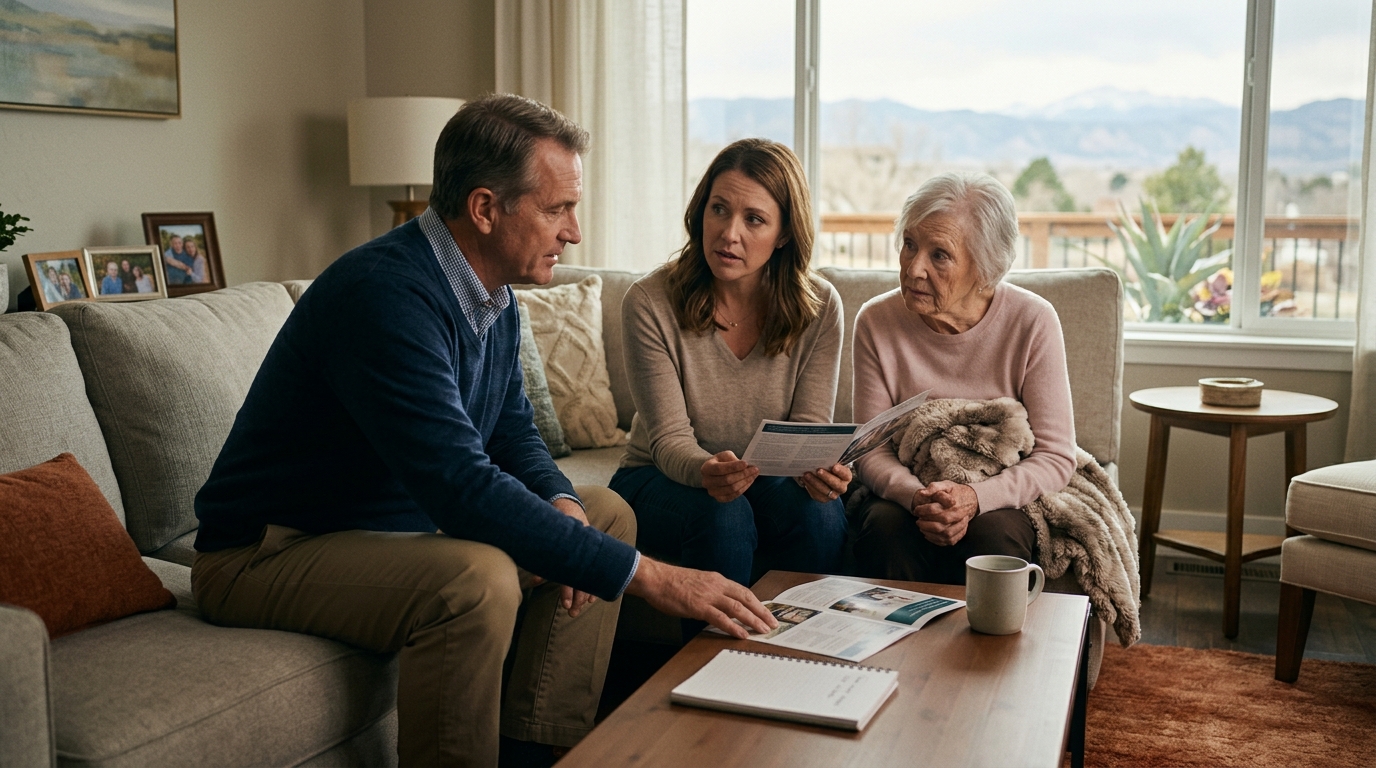
Choosing the right environment for a loved one with dementia is one of the most difficult decisions a family can face. According to the Alzheimer's Association, over 6 million Americans are currently living with Alzheimer's disease, and this number is projected to grow significantly by 2050. This statistic highlights the urgent need for specialized, high-quality care options that prioritize safety, dignity, and cognitive support. Families often find themselves overwhelmed by the variety of choices available, from assisted living facilities with dedicated memory units to specialized nursing homes. Understanding the distinct differences between these options is crucial for ensuring the best possible quality of life for your family member.
Types of Memory Care Facilities
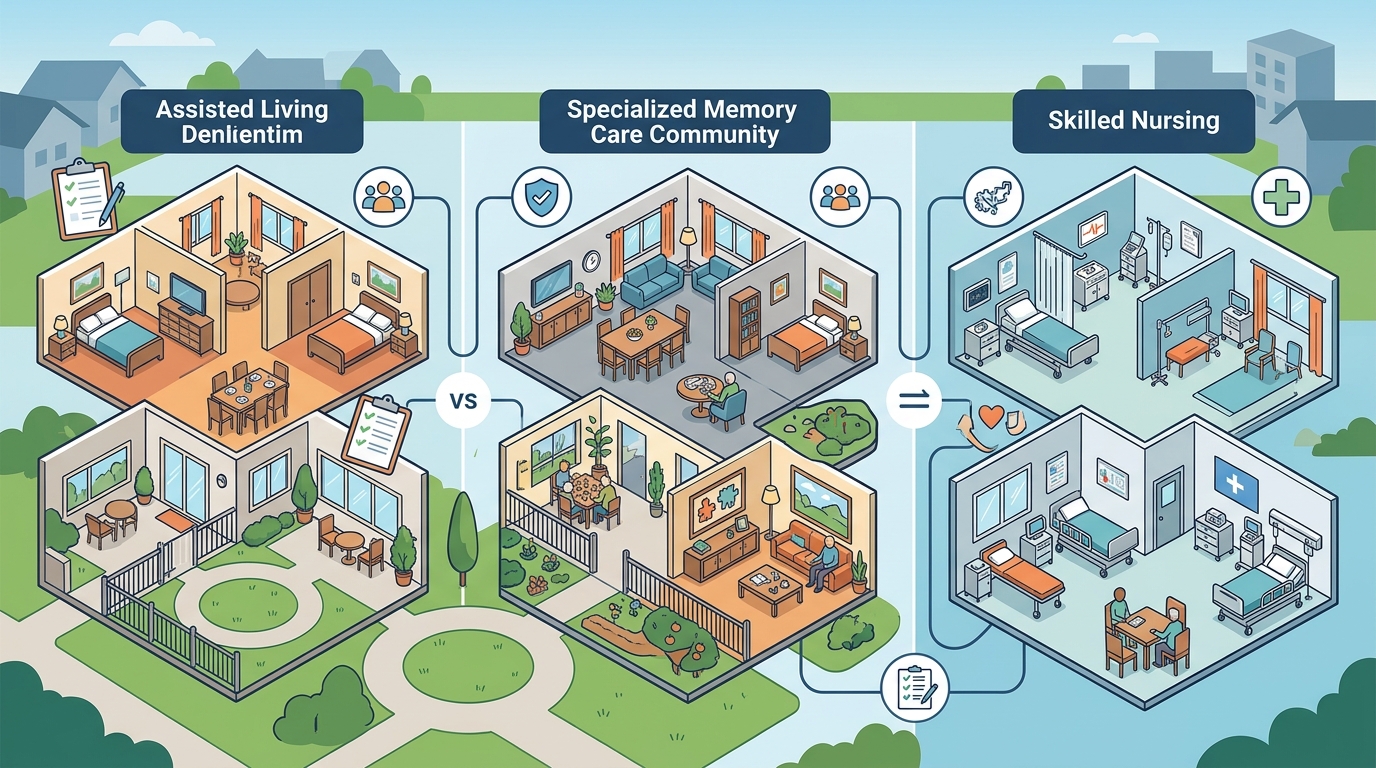
Memory care is not a one-size-fits-all solution. The landscape of senior care includes several distinct models, each offering varying levels of medical support and independence. Understanding these categories helps narrow down the search to what best fits your loved one's specific stage of dementia.
Assisted Living with Memory Care Units
Many assisted living communities now offer dedicated memory care wings. These units are designed to provide a secure environment while maintaining the social and recreational aspects of assisted living. Assisted living with memory care is a hybrid model that combines personal care services with specialized dementia support. Residents often have access to communal dining and activities but receive extra supervision and structured routines tailored to cognitive needs. This option is ideal for those who are in the early to mid-stages of dementia and still desire a degree of social interaction. (About)
Stand-Alone Memory Care Communities
These facilities are exclusively dedicated to individuals with Alzheimer's and other forms of dementia. They often feature secure campuses with enclosed gardens and wandering prevention systems. Stand-alone memory care communities provide an immersive environment focused entirely on dementia-specific care protocols. The staff-to-resident ratio is typically higher, and activities are designed to stimulate cognitive function and reduce agitation. These communities are often more expensive but offer a higher level of specialized expertise.
Skilled Nursing Facilities with Memory Care
For individuals in the later stages of dementia who require 24/7 medical attention, skilled nursing facilities (SNFs) may be necessary. These facilities provide intensive medical care alongside memory support. Skilled nursing facilities with memory care are medical institutions that offer continuous nursing supervision for complex health conditions. While they provide the highest level of medical safety, they may lack the homelike atmosphere of assisted living options. Families should consider this route when medical needs outweigh the desire for a residential setting.
Understanding the Cost of Care
The financial aspect of memory care is a significant concern for most families. Costs vary widely based on location, facility type, and the level of care required. It is essential to understand what is included in the base price and what constitutes an additional charge.
Average Monthly Expenses
According to recent industry data, the average cost of memory care in the United States ranges from $5,000 to $8,000 per month. However, this figure can fluctuate dramatically depending on the geographic region. Urban areas and coastal cities often command higher prices due to increased operational costs. Families should budget for potential additional fees for medication management, specialized therapies, or increased care levels as the disease progresses.
Payment Options and Insurance
Traditional health insurance and Medicare generally do not cover long-term memory care costs. However, there are several other financial avenues to explore. Veterans may be eligible for Aid and Attendance benefits. Long-term care insurance policies often cover memory care if specific criteria are met. Families should also investigate state-specific Medicaid waivers that may help cover costs for eligible low-income individuals. For more information on financial planning, you can visit Alzheimer's Cost Resources.
Key Features to Evaluate
When touring potential facilities, look beyond the physical appearance. The quality of care is determined by specific operational features and staff training. Use the following table to compare critical aspects of different memory care options.
| Feature | Assisted Living Memory Unit | Stand-Alone Memory Care | Skilled Nursing Facility |
|---|---|---|---|
| Security Level | Controlled access, secure wings | High security, enclosed campus | Maximum medical security |
| Staff Training | Basic dementia certification | Advanced dementia care specialists | Licensed nurses and therapists |
| Activities | Social and recreational focus | Therapeutic and cognitive stimulation | Medical and rehabilitative focus |
| Medical Care | On-call or part-time | On-site nursing support | 24/7 intensive medical care |
One of the most critical factors is the staff's approach to behavioral management. Effective facilities use non-pharmacological interventions to manage agitation and aggression. Look for programs that emphasize validation therapy and person-centered care plans. For insights into best practices, refer to Alzheimer's Network guidelines on care standards.
Navigating the Transition
Moving a loved one into memory care is an emotional process for both the resident and the family. A smooth transition requires careful planning and open communication. Start by involving your loved one in the decision-making process as much as their condition allows. Bring them to tours and let them choose between different room options to give them a sense of control.
Preparing the Resident
Explain the move in simple, reassuring terms. Avoid using words like "nursing home" or "care facility" if they cause anxiety. Instead, frame it as a new community where they will receive help and make new friends. Pack familiar items from their previous home, such as photos, blankets, and favorite books. These personal touches create a bridge between their past and present, reducing disorientation.
Supporting the Family
Caregiver burnout is a real risk. Joining a support group can provide emotional relief and practical advice. Many communities offer family education programs to help you understand the progression of dementia. For additional resources on caregiver support, visit National Institute on Aging.
Key Takeaways
- Specialized Training Matters: Look for facilities where staff have completed specific dementia care certification programs, not just general senior care training.
- Security is Paramount: Ensure the facility has secure exits and wandering prevention systems to protect residents who may become disoriented.
- Cost Variability: Average monthly costs range from $5,000 to $8,000, but regional differences can significantly impact the final price.
- Medical vs. Residential: Choose skilled nursing only if intensive medical care is required; otherwise, assisted living or stand-alone memory care offers a better quality of life.
- Family Involvement: Regular visits and participation in care planning are essential for monitoring the resident's well-being and adjusting care as needed.
- Financial Planning: Explore veterans benefits, long-term care insurance, and state Medicaid waivers early in the process to alleviate financial stress.
Frequently Asked Questions
How do I know when it is time for memory care?
Signs include frequent wandering, getting lost in familiar places, significant changes in personality, and an inability to manage daily tasks like bathing or cooking safely. If home care is no longer sufficient to ensure safety, it may be time to consider professional memory care.
Can memory care residents still go home for visits?
Yes, families are encouraged to visit regularly. Many facilities also allow for short-term stays or respite care, which can help the resident adjust gradually before a permanent move.
What is the difference between memory care and assisted living?
While both provide help with daily activities, memory care offers specialized security and therapeutic programs designed specifically for dementia patients. Assisted living is more general and may not have the same level of staff training or secure environments.
How long do people typically stay in memory care?
The length of stay varies greatly depending on the progression of the disease. Some residents stay for several years, while others may transition to skilled nursing care as their medical needs increase.
What activities are offered in memory care?
Activities are tailored to cognitive abilities and may include music therapy, art projects, gentle exercise, and reminiscence therapy. The goal is to engage residents in meaningful ways that reduce anxiety and promote joy.
Is memory care covered by Medicare?
Medicare typically does not cover long-term memory care. It may cover short-term skilled nursing care if a hospital stay preceded it, but ongoing residential memory care is usually a private pay expense.
How can I evaluate the quality of a memory care facility?
Visit the facility unannounced if possible. Observe the cleanliness, the demeanor of the staff, and the engagement of the residents. Ask about staff turnover rates and training programs. High staff turnover can indicate poor working conditions and inconsistent care.
Find the Right Care for Your Loved One
Navigating the world of memory care can feel daunting, but you do not have to do it alone. At Harbor Placement, we specialize in connecting families with the best memory care options tailored to their unique needs. Our expert team provides personalized guidance to help you find a facility that offers safety, compassion, and dignity. Contact Harbor Placement today to schedule a consultation and take the first step toward peace of mind for your family.